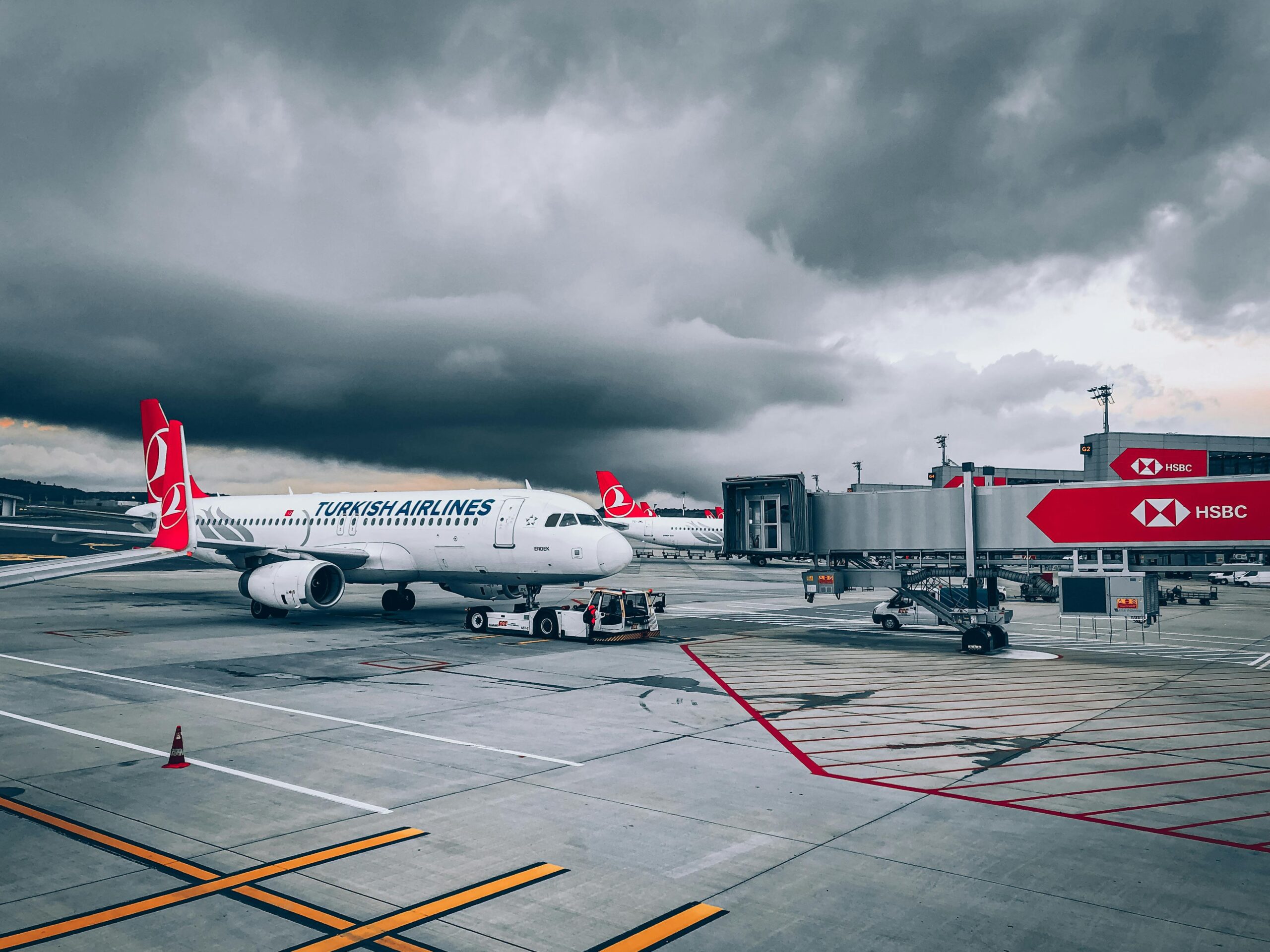
Turkish Airlines reduces 23 international routes due to rising jet fuel costs. Furthermore, Turkish Airlines responds to geopolitical tension across key regions. As a result, the airline reshapes global connectivity for long-haul passengers. Meanwhile, travelers reassess plans amid sudden network changes.
Additionally, soaring jet fuel prices double operational costs across Europe and the Middle East. Therefore, Turkish Airlines cuts unprofitable routes to protect financial stability. Furthermore, global instability pressures airlines to redesign international flight networks.
Consequently, Africa loses routes connecting Kinshasa, Luanda, and Lusaka. Meanwhile, Europe faces reductions affecting Zurich, Leipzig, and Billund services. Additionally, Middle East disruptions impact Tehran, Mashhad, and Shiraz connections. Furthermore, transatlantic travel reduces options for Caribbean-bound passengers.
Therefore, travelers experience higher fares and longer layovers worldwide. Meanwhile, Turkish Airlines forces passengers to rebook through alternative hubs. Additionally, tourism industries in Turkey face reduced visitor inflows. Consequently, hotels and airlines adjust pricing strategies rapidly.
Furthermore, passengers explore alternative carriers like Emirates and Qatar Airways. Meanwhile, Istanbul remains a central hub despite route reductions. As a result, Turkish Airlines continues adapting its global strategy. Therefore, travelers must stay flexible and monitor flight updates.
Related stories:
Catch up on the top stories and travel deals by subscribing to our newsletter!