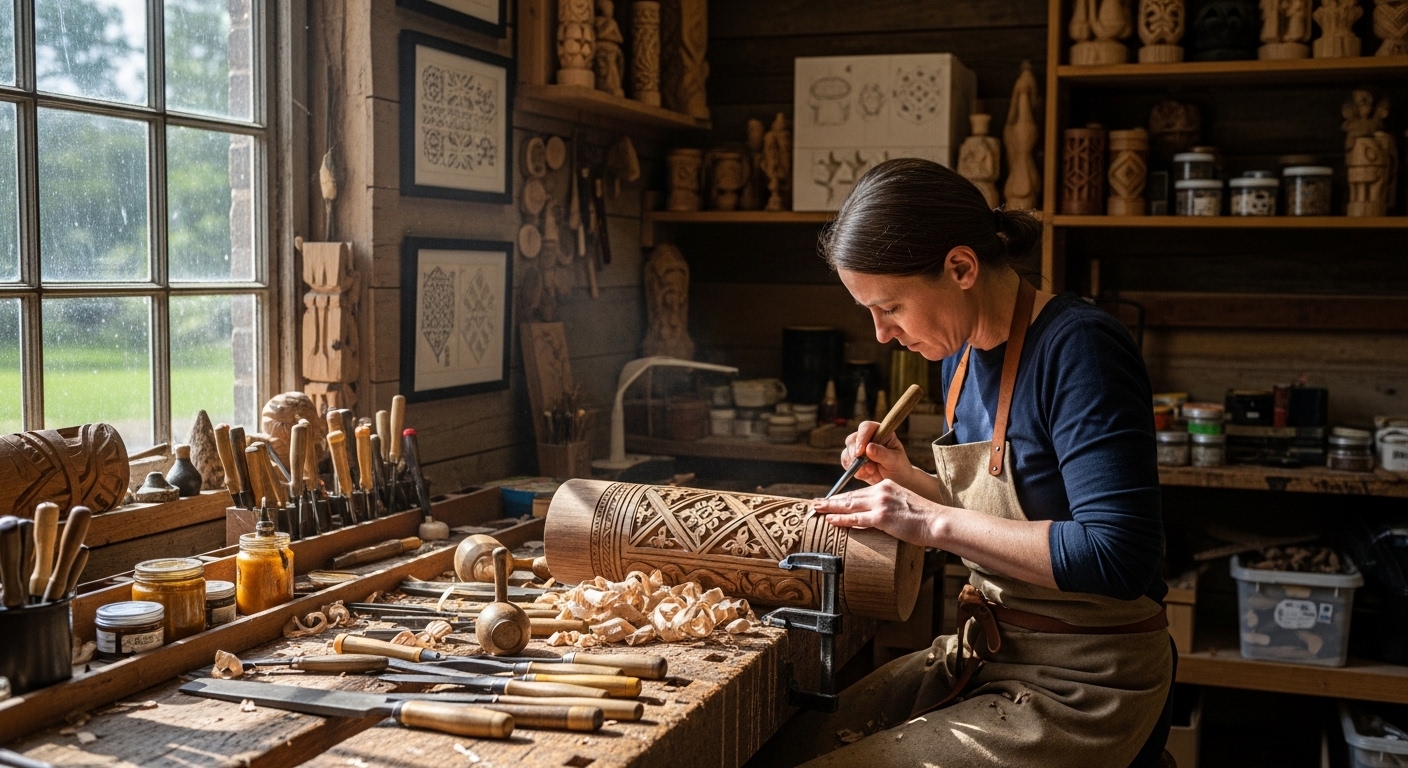
In a world dominated by mass production and modern technology, many travelers are now searching for something more meaningful and authentic. One such experience lies in visiting traditional woodworking villages, where craftsmanship, culture, and history come together in the most fascinating way. These villages preserve ancient woodworking techniques that have been passed down through generations, offering visitors a rare opportunity to witness artistry in its purest form.
Unlike factory-made furniture and decor, the creations in traditional woodworking villages carry stories, heritage, and human touch. From intricately carved doors to handmade furniture and delicate wooden sculptures, every piece reflects the skill and dedication of artisans who have spent years perfecting their craft. Travelers who explore these villages not only witness craftsmanship but also connect with the people and traditions behind it.
Have you ever wondered how a simple block of wood transforms into a masterpiece? Or what it feels like to watch an artisan carve intricate patterns by hand? Visiting traditional woodworking villages answers these questions and provides an experience that goes far beyond sightseeing.
Why Traditional Woodworking Villages Are Worth Exploring
Travelers today seek experiences that are both educational and immersive. Traditional woodworking villages offer a perfect blend of culture, art, and hands-on learning. Visitors can observe the entire process, from selecting raw wood to shaping, carving, and finishing the final product.
These villages also represent cultural identity. Each region has its own style, patterns, and techniques that reflect its history and environment. By visiting these places, travelers gain insight into how craftsmanship evolves alongside culture.
Another important reason to explore traditional woodworking villages is sustainability. Many artisans use locally sourced wood and eco-friendly methods, ensuring minimal environmental impact. Supporting these communities helps preserve traditional skills and promotes responsible tourism.

The Best Places to Experience Traditional Woodworking Villages
Across the globe, several destinations stand out for their rich woodworking heritage. Each location offers a unique perspective on traditional craftsmanship.
Japan is renowned for its precision and dedication to craftsmanship. In regions near Kyoto, visitors can explore villages where artisans practice centuries-old woodworking techniques without using nails. The joinery methods are both complex and fascinating, showcasing incredible attention to detail.
In Indonesia, the island of Yogyakarta is famous for its wood carving villages. Here, artisans create detailed sculptures, masks, and furniture inspired by local mythology and traditions. Visitors often have the opportunity to try carving under expert guidance.
Italy also offers remarkable woodworking traditions, especially in regions like Veneto. Small villages here specialize in handcrafted furniture and decorative items, blending artistic design with functionality. Travelers visiting through airlines such as Lufthansa often include these villages in their cultural itineraries.
In India, Saharanpur stands out as a hub of traditional woodworking. The city is known for its intricate carvings and export-quality furniture. Visitors can walk through workshops and observe artisans working with remarkable precision and creativity.
Morocco’s woodworking villages, especially around Fez, are equally captivating. Artisans here create beautifully carved doors, screens, and furniture that reflect Islamic geometric designs and centuries-old craftsmanship traditions.
What You Can Experience in Traditional Woodworking Villages
Live Craft Demonstrations
One of the most exciting aspects of visiting traditional woodworking villages is watching artisans at work. Visitors can see how tools are used, how designs are created, and how raw materials are transformed into finished products.
Hands-On Workshops
Many villages offer workshops where travelers can try woodworking themselves. These sessions provide a deeper appreciation for the skill involved and allow visitors to create their own handmade souvenirs.
Exploring Artisan Markets
Local markets in woodworking villages are filled with unique products that cannot be found elsewhere. From furniture to small decorative items, these markets offer authentic souvenirs that carry cultural significance.
Understanding Cultural Stories
Each design and pattern often has a story behind it. Artisans share the meaning of their work, connecting visitors to the history and traditions of the region.
The Cultural Importance of Traditional Woodworking Villages
Traditional woodworking villages play a vital role in preserving cultural heritage. These communities keep ancient techniques alive in a rapidly changing world. By passing skills from one generation to the next, they ensure that craftsmanship does not disappear.
Visitors who explore these villages contribute to this preservation. Tourism provides income that supports artisans and encourages younger generations to continue the craft.
Organizations such as UNESCO emphasize the importance of protecting intangible cultural heritage, including traditional crafts like woodworking. These efforts highlight the global value of such communities.

Tips for Visiting Traditional Woodworking Villages
Respect Local Traditions
Always respect the customs and practices of the community. Ask for permission before taking photographs and follow local guidelines.
Support Local Artisans
Purchase directly from artisans whenever possible. This ensures that your contribution benefits the local community.
Take Your Time
Woodworking villages are best experienced slowly. Spend time observing, learning, and interacting with artisans.
Ask Questions
Artisans often enjoy sharing their knowledge. Asking questions enhances your understanding and creates meaningful connections.
Why Traditional Woodworking Villages Offer Unforgettable Travel Experiences
Traditional woodworking villages provide a unique travel experience that combines art, culture, and human connection. Unlike typical tourist attractions, these villages offer authenticity and depth.
Travelers often leave with more than just souvenirs. They carry memories of conversations, learning experiences, and a newfound appreciation for craftsmanship.
Have you ever visited a place where you could watch artisans create something by hand? What would you love to learn in a woodworking village? Would you try carving your own piece?
We would love to hear your thoughts and experiences. Share your stories and tell us which destinations inspire you the most.
If you enjoy discovering cultural experiences like traditional woodworking villages, stay connected with WentWorld. Follow us on our social media platforms for more travel inspiration, guides, and stories from around the world.
Traditional woodworking villages remind us that true craftsmanship still exists. The next time you travel, consider exploring these hidden gems and experiencing the beauty of handmade artistry.
Catch up on the top stories and travel deals by subscribing to our newsletter!