Introduction: Why Historic Trade Cities Still Matter Today
Have you ever wondered how ancient merchants shaped the world we explore today? Many modern cities grew because of trade routes that connected distant regions. These places still reflect centuries of cultural exchange and global interaction.
historic trade cities travel allows travelers to step into destinations where commerce once connected continents. These cities carry stories of traders, explorers, and cultural blending. Every street and market reveals layers of history.
Imagine walking through the vibrant streets of Istanbul, where East meets West through centuries of trade. The city’s architecture and markets reflect a powerful past shaped by global exchange.
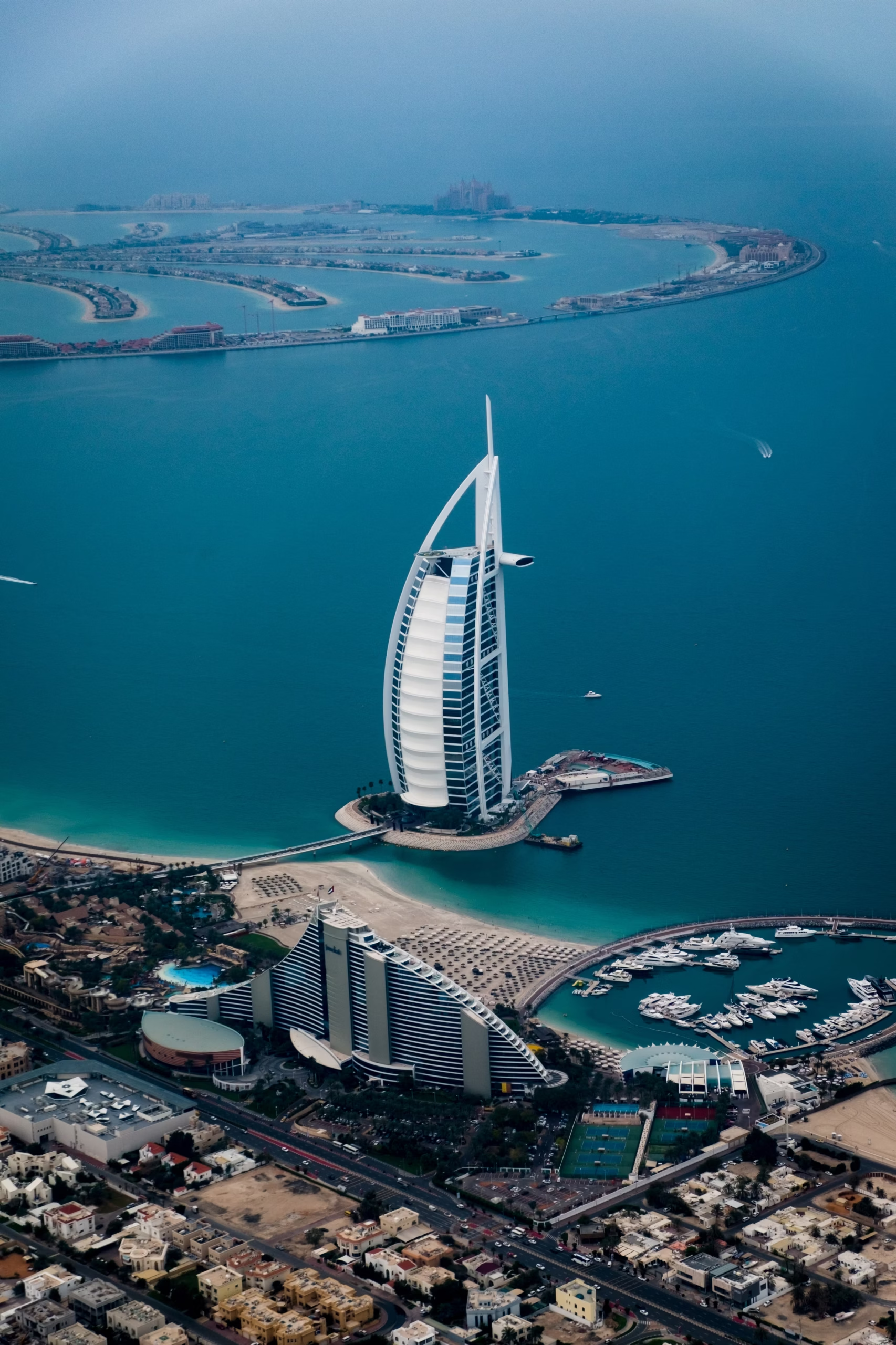
Now picture exploring the historic souks of Dubai, where merchants once traded pearls, spices, and textiles. These places show how trade transformed simple settlements into thriving cities.
Traveling through these destinations is not just about sightseeing. It is about understanding how commerce influenced culture, design, and traditions. That is why historic trade cities travel feels so immersive.
So how do you plan a journey through these iconic locations? Which regions offer the richest experiences? This guide will help you explore the world through its most fascinating trade cities.
The Legacy of Historic Trade Routes
Long before airplanes and highways, trade routes connected civilizations across continents. Merchants traveled long distances carrying goods, ideas, and traditions. These journeys helped shape global culture.
The Silk Road remains one of the most famous trade networks in history. It connected Asia, Europe, and the Middle East through a series of land routes. Cities along this path became cultural and economic centers.
One such city is Samarkand, known for its stunning architecture and vibrant history. It served as a major hub where traders exchanged goods and knowledge.
Meanwhile, maritime trade routes created powerful port cities like Venice. Goods from Asia and Africa flowed into Europe through these coastal centers.
These routes influenced languages, traditions, and even cuisines. Exploring them today gives travelers a deeper understanding of global history. This is what makes historic trade cities travel so meaningful.

Top Destinations for Historic Trade Cities Travel
The world offers countless historic trade cities, each with its own story. Some cities grew along desert routes, while others thrived along coastlines. Each destination reflects a different type of trade history.
In Central Asia, cities like Samarkand and Bukhara showcase Silk Road heritage. Their mosques, markets, and monuments reveal centuries of cultural exchange. Walking through them feels like stepping into the past.
In Europe, Amsterdam reflects its trading past through canals and merchant houses. The city once played a major role in global commerce during its Golden Age.
Similarly, Barcelona developed as a Mediterranean trade hub. Its port connected Spain to international markets and cultures.
African coastal cities like Zanzibar also thrived through spice trade networks. Their architecture blends African, Arab, and European influences. Each destination adds depth to historic trade cities travel.
Which region would you explore first? Do you prefer desert caravans or ocean trade routes? Your choice will shape your entire journey.
Architecture That Tells Stories
Historic trade cities are filled with architecture that reflects their commercial past. Buildings often combine styles from different cultures. This creates unique and visually rich environments.
In Istanbul, mosques, churches, and bazaars stand side by side. This reflects centuries of cultural interaction through trade. Each structure tells a story about the people who built it.
Venice offers another example with its grand palaces and canals. These structures reflect wealth generated through maritime trade. Walking through the city feels like stepping into a historical painting.
These architectural elements make historic trade cities travel visually engaging. They also provide insight into how cultures blended over time.
Markets: The Heart of Trade Cities
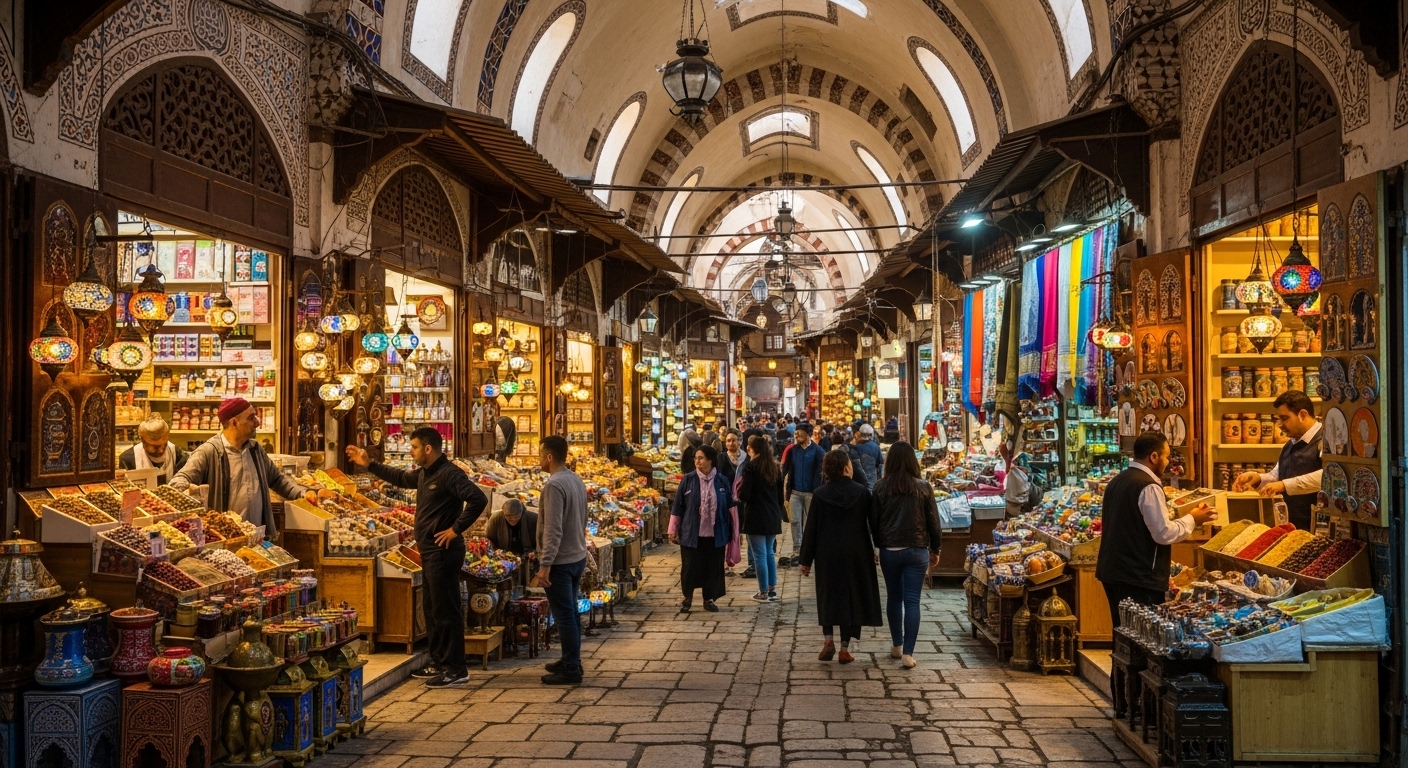
Markets remain the most vibrant part of historic trade cities. Many have operated for hundreds of years without losing their charm. They continue to serve as cultural and economic centers.
Walking through these markets offers a sensory experience. Colors, sounds, and aromas create a lively atmosphere. Vendors sell spices, textiles, and handmade goods.
The Grand Bazaar in Istanbul is one of the best examples. Thousands of shops create a maze of tradition and commerce. Visitors can spend hours exploring its vibrant corridors.
Markets reflect the true spirit of historic trade cities travel. They show how trade shaped everyday life and cultural identity.
Have you ever visited a market that felt like a journey through time? These places often leave lasting impressions.
Cultural Exchange Through Food
Trade routes carried more than goods. They also introduced new flavors and culinary traditions to different regions. Food became a reflection of cultural exchange.
Many dishes found in historic trade cities combine ingredients from multiple regions. Spices from Asia influenced European and Middle Eastern cuisines. This blending created unique flavors.
Coastal cities often feature seafood dishes shaped by visiting traders. Inland cities reflect influences from caravan routes. Every meal tells a story of connection.
Food plays an important role in historic trade cities travel. It allows travelers to taste history through local dishes.
What is the most memorable meal you have experienced while traveling? Food often becomes one of the highlights of any journey.
Planning Your Journey Through Trade Regions
Planning a trip around historic trade cities requires careful research. Travelers should identify routes that connect multiple destinations. This approach provides a deeper experience.
For example, exploring several Silk Road cities in one trip reveals how trade shaped an entire region. Similarly, visiting Mediterranean ports highlights maritime history.
Airlines like Qatar Airways and Turkish Airlines offer convenient connections between these regions.
Planning transportation in advance ensures a smooth journey. It also allows travelers to maximize their time exploring each city.
This preparation enhances your historic trade cities travel experience.
Staying in Historic Districts
Where you stay can greatly impact your experience. Historic districts offer easy access to cultural landmarks. They also provide a deeper connection to the city’s past.
Many cities feature boutique hotels in restored buildings. These accommodations reflect traditional architecture and design. Staying there adds authenticity to your trip.
Waking up in a historic neighborhood creates a unique atmosphere. Every street feels connected to the past. This enhances historic trade cities travel.
Respecting Heritage and Preservation
Historic trade cities represent centuries of cultural heritage. Travelers should respect local customs and preservation efforts. Responsible tourism helps protect these destinations.
Many historic areas have rules to maintain their authenticity. Visitors should follow guidelines regarding photography and behavior. This ensures a respectful experience.
Respect is essential during historic trade cities travel. It allows future generations to enjoy these remarkable places.

Why These Journeys Leave Lasting Impressions
Traveling through historic trade cities offers more than visual beauty. It provides insight into how the world became interconnected. These cities reveal the foundations of global exchange.
Every market, building, and street reflects centuries of history. This deeper understanding makes travel more meaningful. It transforms trips into educational experiences.
historic trade cities travel creates memories that last a lifetime. It allows travelers to see the world through a historical lens.
Have you ever visited a place that changed your perspective? These cities often have that effect.
Your Turn: Share Your Travel Stories
Have you explored any historic trade cities during your travels? Which destination impressed you the most? Your experiences can inspire others.
Are there cities you dream of visiting someday? Planning future trips often begins with inspiration. Sharing ideas helps build that excitement.
Tell us your stories and favorite destinations. We love hearing about your journeys and discoveries.
Follow WentWorld on our social media platforms for more travel inspiration. Stay connected with a community that loves exploring the world.
Conclusion
Exploring regions known for historic trade cities offers a unique travel experience. These destinations reveal the roots of global culture and commerce.
From vibrant markets to stunning architecture, every detail tells a story. Travelers gain insight into how trade shaped the modern world.
With careful planning, historic trade cities travel can become an unforgettable journey. It transforms travel into a meaningful exploration of history.
The world’s greatest trade cities are waiting to be discovered. Where will your journey begin?
Catch up on the top stories and travel deals by subscribing to our newsletter!