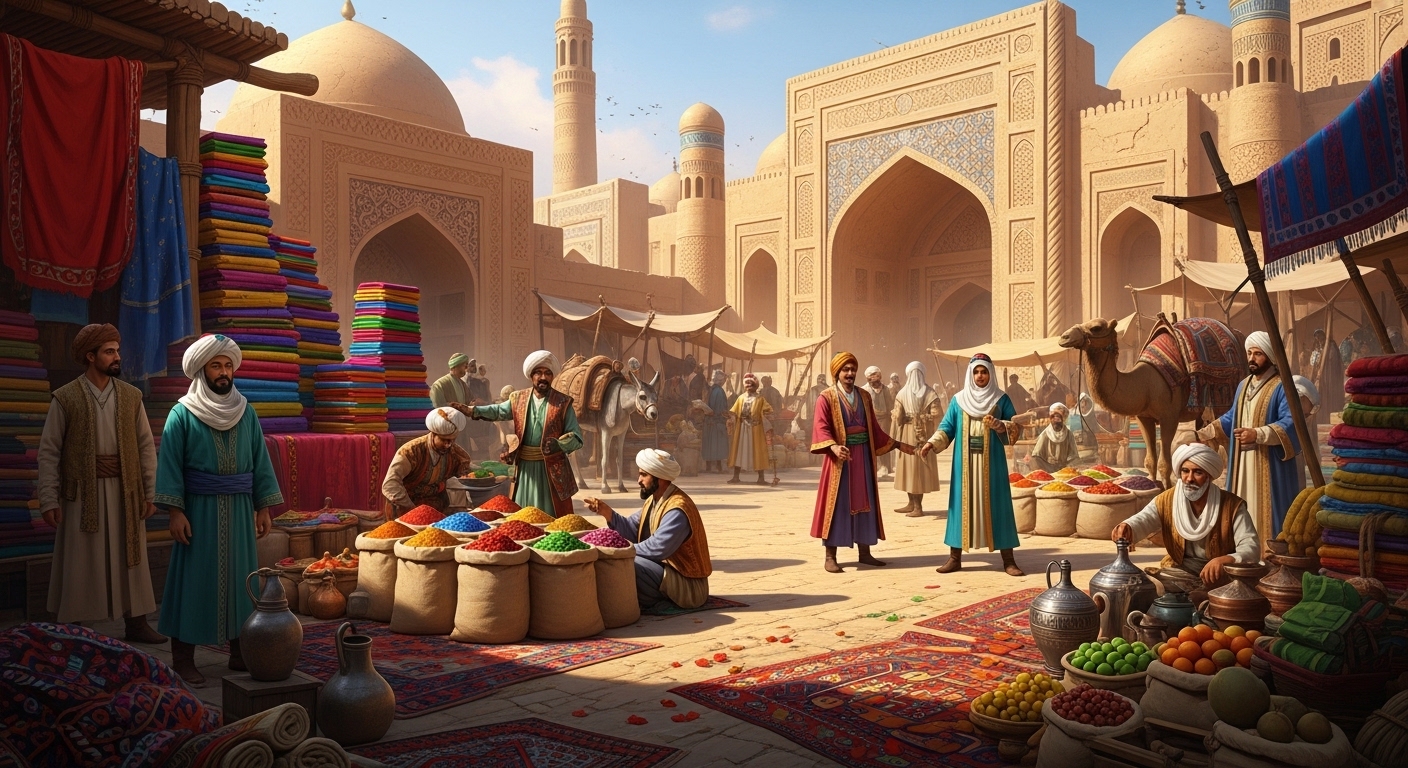
Long before airplanes and high-speed trains connected the world, ancient trade routes shaped civilizations, cultures, and economies. These paths carried silk, spices, gold, tea, and ideas across continents. Today, travelers can still explore these legendary pathways and experience the stories they left behind. If you love history, culture, and adventure, then discovering historic trade networks might become your most unforgettable travel experience yet.
Following historic trade networks is not just about visiting old cities. It is about stepping into the footsteps of merchants, explorers, and travelers who changed the world centuries ago. Every road, port, and marketplace holds layers of history waiting to be uncovered.
Would you travel thousands of miles to experience how ancient civilizations once connected with each other? Many travelers are now choosing meaningful journeys over ordinary vacations, and these historic routes offer exactly that.
The Silk Road: The World’s Most Legendary Trade Route
No discussion about historic trade networks feels complete without the famous Silk Road. Stretching from China to Europe, this route connected empires for centuries. It carried silk, spices, paper, and precious stones while also spreading religions, cultures, and innovations.
Cities like Samarkand in Uzbekistan, Kashgar in China, and Bukhara remain living reminders of this fascinating network. Their markets, mosques, and caravanserais still echo the spirit of ancient trade.
Travelers can learn more about Silk Road heritage through resources provided by UNESCO World Heritage Centre.
Walking through these cities feels like traveling through time. Colorful bazaars, blue-tiled architecture, and traditional crafts create an atmosphere unlike anywhere else in the world.
The Spice Route: A Journey Through Flavor and Fortune
The ancient Spice Route transformed global trade forever. European powers once crossed oceans searching for pepper, cinnamon, cloves, and nutmeg. Today, travelers can follow parts of these historic trade networks across India, Sri Lanka, Indonesia, and the Middle East.
Kerala in India remains one of the best destinations to experience this history. Spice plantations still operate across the region, filling the air with unforgettable aromas. Local markets showcase the ingredients that once held immense value around the world.
Travelers often arrive through airlines like Emirates, connecting major international cities to spice-trading destinations across Asia.
Imagine standing in a centuries-old spice market where merchants once negotiated fortunes. Would that not make history feel alive?

The Trans-Saharan Trade Routes: Crossing Africa’s Ancient Highways
Africa’s desert trade routes once connected North Africa with sub-Saharan kingdoms. Gold, salt, textiles, and knowledge moved through these historic trade networks, creating prosperous cities such as Timbuktu and Marrakesh.
Marrakesh in Morocco still reflects the vibrant trading culture of the past. Its famous souks remain packed with handcrafted goods, spices, carpets, and lanterns.
Visitors can explore Morocco’s cultural heritage through tourism information provided by Visit Morocco.
Traveling through these regions offers more than sightseeing. It reveals how trade shaped entire civilizations and influenced global culture.
The Amber Road: Europe’s Forgotten Trade Network
While many travelers know about the Silk Road, fewer know about the Amber Road. This ancient route connected the Baltic Sea with the Mediterranean, transporting valuable amber across Europe.
Countries like Poland, Lithuania, Austria, and Italy preserve parts of these historic trade networks. Museums and archaeological sites reveal how amber became one of Europe’s most prized commodities.
Gdansk in Poland remains especially famous for amber craftsmanship. Local shops and galleries continue traditions passed down for generations.
Have you ever thought about how a single gemstone could connect entire cultures? The Amber Road tells exactly that story.
The Tea Horse Road: China’s Mountain Trading Legacy
The Tea Horse Road once connected China with Tibet and parts of Southeast Asia. Traders exchanged tea for horses while navigating dangerous mountain terrain. This route became one of Asia’s most fascinating historic trade networks.
Destinations like Lijiang and Shangri-La in China still preserve traces of this ancient trade culture. Stone pathways, traditional homes, and mountain landscapes create a breathtaking experience.
Travelers interested in responsible cultural tourism often use platforms like Lonely Planet for route inspiration and local travel tips.
The beauty of the Tea Horse Road lies not only in its history but also in its dramatic scenery. Every turn feels cinematic.
The Incense Route: Arabia’s Ancient Treasure Path
Frankincense and myrrh were once among the world’s most valuable products. The Incense Route connected southern Arabia with the Mediterranean through desert caravans.
Oman remains one of the best places to explore this chapter of historic trade networks. Ancient ports and desert settlements still reveal how incense shaped regional wealth and influence.
Sites linked to the incense trade are protected through organizations such as UNWTO, which promotes sustainable tourism and heritage preservation.
The deserts of Oman carry a mysterious beauty. Travelers often describe the experience as peaceful, timeless, and deeply cultural.
Venice: Europe’s Historic Trading Powerhouse
Venice was once among the most powerful trading cities in the world. Merchants from Europe, Asia, and the Middle East exchanged goods through its canals and ports.
Today, Venice still reflects the wealth created through historic trade networks. Grand palaces, bustling squares, and centuries-old architecture showcase its trading legacy.
Walking through Venice early in the morning feels magical. You can almost imagine merchants arriving with silk, spices, and treasures from distant lands.
Would you choose to explore history through museums, or by wandering streets where history actually happened?
Why Travelers Are Drawn to Historic Trade Networks
Modern travelers increasingly seek experiences with depth and meaning. Following historic trade networks allows people to combine adventure with education.
These routes reveal how interconnected the world has always been. Long before globalization became a modern term, merchants and travelers were already building cultural bridges.
Traveling these routes also supports heritage tourism. Many communities preserve traditional crafts, food, and architecture because visitors value their history.
Food, Markets, and Cultural Exchange
One of the best parts of exploring historic trade networks is experiencing local markets and traditional cuisine. Trade routes shaped food cultures worldwide.
Spices from Asia transformed European cooking. Tea became central to social traditions. Coffee traveled from the Middle East to the rest of the world.
Local markets remain the heart of many destinations connected to historic trade. Travelers can taste traditional dishes, meet artisans, and witness centuries-old trading traditions still alive today.
Tips for Exploring Historic Trade Routes
If you plan to explore historic trade networks, preparation matters. Research local history before visiting. Understanding the background makes the experience far more rewarding.
Slow travel works best for these journeys. Spend extra time in historic towns and villages instead of rushing between destinations.
Talk to local guides whenever possible. Their stories often reveal details you will never find in guidebooks.
Most importantly, stay curious. Every marketplace, caravanserai, and port has a story waiting to be discovered.

The Emotional Power of Walking Ancient Routes
There is something deeply emotional about standing where traders once stood centuries ago. These journeys remind travelers that human connection has always shaped the world.
You begin to realize that trade was never just about products. It was about exchanging culture, ideas, language, and traditions.
Following historic trade networks creates a unique connection between past and present. It transforms history from something you read into something you feel.
Your Next Great Adventure Begins Here
So, which historic route would you choose first? The Silk Road? The Spice Route? Or perhaps the deserts of the Incense Route?
These journeys offer far more than sightseeing. They provide perspective, inspiration, and unforgettable memories.
Have you ever visited a destination connected to ancient trade routes? Share your experiences and favorite places in the comments. Your story might inspire another traveler’s next adventure.
If you enjoy discovering destinations filled with culture, history, and meaning, follow WentWorld on social media for more inspiring travel stories and hidden gems from around the globe.
Final Thoughts
The world’s historic trade networks shaped civilizations and connected people long before modern travel existed. Today, these routes continue to inspire travelers searching for something authentic and meaningful.
Every ancient market, desert caravan trail, and coastal trading port carries stories of ambition, exploration, and human connection. Following these paths allows travelers to experience history in the most immersive way possible.
The roads are still waiting. The stories are still alive. Are you ready to follow them?
Catch up on the top stories and travel deals by subscribing to our newsletter!