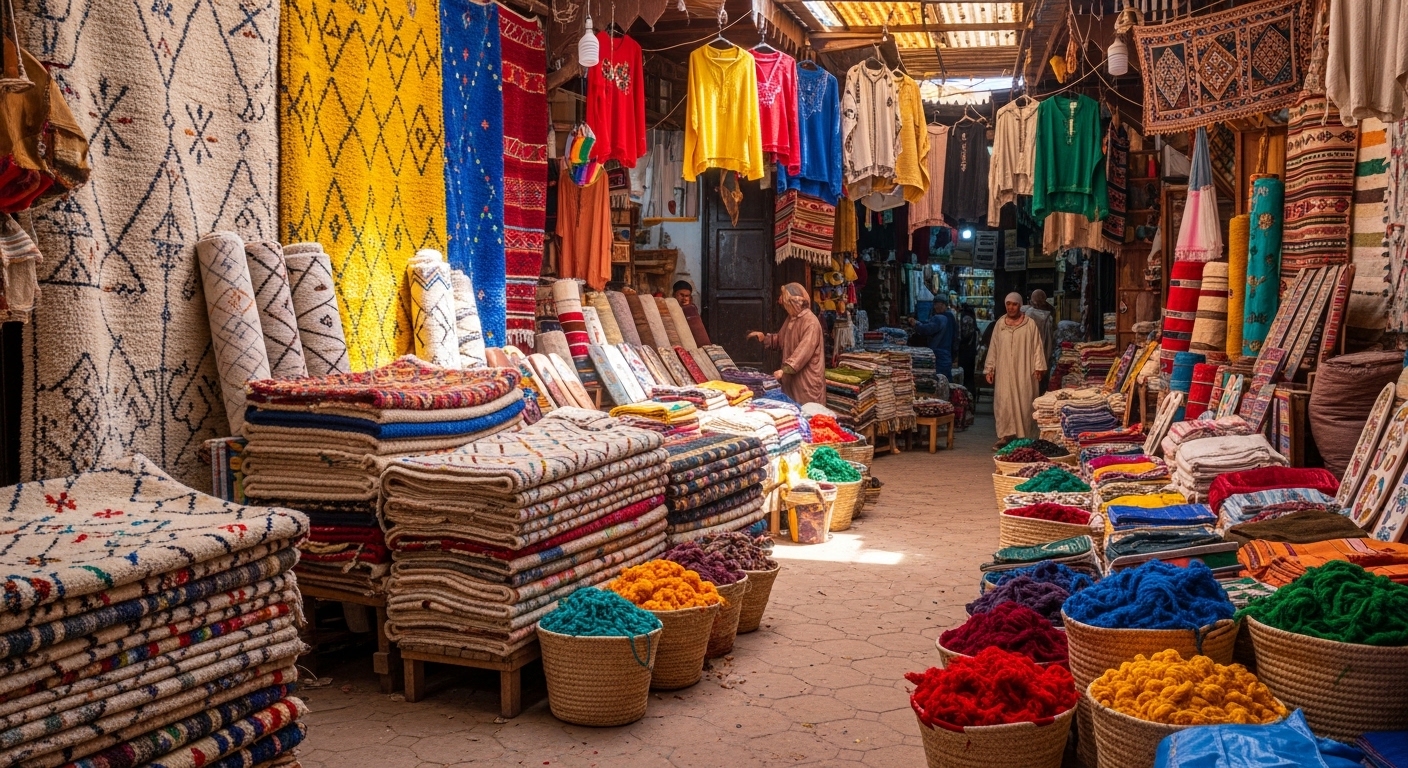
There is something magical about walking through a traditional textile market. The colors feel richer, the craftsmanship feels more personal, and every fabric seems to carry a story. Travelers searching for meaningful cultural experiences are increasingly turning toward destinations where textiles represent history, identity, and local pride. Exploring the best places to experience traditional textile markets is more than shopping—it is stepping into centuries of artistic tradition.
From the lively bazaars of Asia to hidden weaving communities in South America, textile markets allow travelers to witness local creativity in its purest form. You can touch handwoven fabrics, watch artisans work carefully on ancient looms, and learn why certain patterns symbolize family heritage or regional identity.
Have you ever purchased a handmade textile while traveling? Did you wonder about the person who created it or the tradition behind the design? These markets answer those questions in unforgettable ways.
Why Traditional Textile Markets Matter
The best places to experience traditional textile markets preserve traditions that modern industries often overlook. These markets support local artisans, protect cultural heritage, and give travelers a chance to buy meaningful products instead of mass-produced souvenirs.
Textiles often reflect the soul of a region. The colors, embroidery styles, and weaving techniques reveal stories about climate, history, religion, and community life. In many cultures, textile-making skills pass from one generation to another.
Visiting these markets also supports sustainable tourism. Many artisans depend directly on visitors purchasing handmade goods. Your purchase becomes part of preserving a tradition.
Marrakech, Morocco: A Feast of Color and Craftsmanship
Morocco remains one of the best places to experience traditional textile markets. The bustling souks of Marrakech offer carpets, shawls, blankets, and embroidered fabrics in every imaginable color.
Walking through the medina feels like entering another world. Narrow alleys overflow with woven rugs and hanging lanterns. Vendors often explain the symbolism behind Berber carpet patterns, making every purchase feel personal.
Travelers frequently visit attractions like Medina of Marrakesh while exploring these markets.
Do not rush your experience here. Sit down for mint tea, negotiate respectfully, and enjoy the conversation. The interaction becomes just as memorable as the purchase itself.

Jaipur, India: Royal Textiles and Timeless Techniques
India easily ranks among the best places to experience traditional textile markets, and Jaipur stands out as a textile paradise. The city’s markets showcase block-printed fabrics, embroidered garments, silk scarves, and handmade quilts.
The famous Johari Bazaar and Bapu Bazaar attract travelers searching for authentic Rajasthani craftsmanship. Local artisans continue centuries-old dyeing and printing techniques that give Jaipur textiles their distinctive beauty.
Organizations like Incredible India promote these cultural experiences globally.
Imagine walking through streets filled with vivid fabrics while hearing the rhythmic sounds of traditional craftsmen working nearby. It feels alive in every direction.
Istanbul, Turkey: Where East Meets West
Istanbul blends cultures beautifully, making it one of the best places to experience traditional textile markets. The city’s famous Grand Bazaar remains a dream destination for textile lovers.
You can find Turkish towels, silk scarves, embroidered tablecloths, and handmade kilims. Many vendors proudly explain the origins of their fabrics and how different regions influence patterns.
Visitors often explore the historic Grand Bazaar while discovering Turkish textile traditions.
Have you ever touched fabric so detailed that it feels like artwork? Istanbul offers those moments repeatedly.
Oaxaca, Mexico: Weaving Traditions That Tell Stories
Mexico’s Oaxaca region deserves recognition among the best places to experience traditional textile markets. Indigenous Zapotec communities continue weaving rugs and garments using natural dyes and ancient techniques.
Markets in Oaxaca overflow with vibrant textiles featuring geometric patterns and symbolic imagery. Many artisans invite travelers into workshops where they demonstrate traditional weaving methods.
The cultural depth here goes beyond shopping. Every thread reflects generations of identity and resilience.
Would you rather buy a factory-made souvenir or something handcrafted with centuries of tradition behind it? Oaxaca makes the answer easy.
Chiang Mai, Thailand: Handmade Beauty in Northern Thailand
Thailand offers incredible craftsmanship, and Chiang Mai ranks among the best places to experience traditional textile markets. Local night markets feature hill tribe embroidery, handwoven cotton, silk products, and naturally dyed fabrics.
Many artisans belong to ethnic minority communities that preserve unique weaving traditions. Travelers can even participate in textile workshops to better understand the creative process.
Resources like Tourism Thailand highlight cultural experiences across the country.
Shopping here feels less commercial and more educational. You leave with appreciation, not just purchases.
Cusco, Peru: Textiles Inspired by Ancient Civilizations
Peru’s Andean communities create some of the world’s most recognizable handmade textiles. Cusco remains one of the best places to experience traditional textile markets because of its strong connection to Indigenous weaving culture.
Markets feature alpaca wool scarves, blankets, ponchos, and bags decorated with symbols inspired by Incan heritage. Many weavers still use natural dyes sourced from local plants and minerals.
Travelers exploring Peru often visit sites promoted through Peru Travel to experience local traditions.
The craftsmanship here is extraordinary. Every item feels deeply connected to the mountains and people who created it.
What Makes Textile Markets So Memorable?
The best places to experience traditional textile markets offer sensory experiences unlike modern shopping malls. You hear conversations in local languages, smell spices drifting through nearby stalls, and feel fabrics crafted by human hands.
These markets encourage slower travel. Instead of rushing between attractions, you spend time learning stories and building connections.
Travel memories often fade, but meaningful interactions stay with you. That is why textile markets leave such lasting impressions.
How to Shop Respectfully in Textile Markets
Respect matters when visiting traditional markets. Always ask before taking photos of artisans or their work. Bargaining may be common, but aggressive negotiation can feel disrespectful.
Take time to understand the effort behind handmade products. A single textile may require weeks or months of careful work.
Supporting local artisans fairly helps preserve these traditions for future generations.
Tips for Finding Authentic Handmade Textiles
Not every market item is handmade. Some vendors sell factory-produced goods alongside authentic pieces. To find genuine craftsmanship, ask questions about materials and techniques.
Handmade textiles often contain slight imperfections that make them unique. Natural dyes may also create softer color variations compared to machine-made fabrics.
Watching artisans work directly in markets or workshops is often the best way to ensure authenticity.
The Emotional Connection Behind Handmade Textiles
Why do handmade textiles feel so special? Because they represent human creativity and patience. Unlike mass-produced items, handmade fabrics carry emotion and tradition.
Many travelers keep these textiles for years because they remind them of meaningful experiences and personal interactions.
Have you ever purchased something during your travels that instantly brought back memories every time you saw it? Traditional textiles often create that emotional connection.

Why Textile Tourism Continues Growing
Travelers increasingly value experiences that feel authentic and culturally immersive. That is why the best places to experience traditional textile markets continue attracting visitors worldwide.
People no longer want generic souvenirs. They want stories, artistry, and human connection. Textile markets provide all three.
This trend also benefits local communities by creating economic opportunities rooted in cultural preservation.
Your Next Textile Adventure Awaits
The world’s textile markets offer more than beautiful fabrics. They offer insight into identity, tradition, and creativity. Whether you explore Morocco’s colorful souks, India’s royal bazaars, or Peru’s mountain weaving communities, every destination reveals something unforgettable.
Which textile market would you most love to visit? Have you already explored one that left a lasting impression? Share your experiences and recommendations in the comments. Your story might inspire another traveler’s next journey.
If you enjoyed this guide, follow WentWorld on social media for more cultural travel inspiration, hidden gems, and unforgettable experiences from around the world.
Final Thoughts
The best places to experience traditional textile markets remind us that travel is not just about seeing places—it is about understanding people. Through fabric, color, and craftsmanship, these markets preserve traditions that deserve global appreciation.
Slow down, explore deeply, and let the world’s textile traditions tell their stories through every woven thread.
Catch up on the top stories and travel deals by subscribing to our newsletter!