Some travelers plan trips around famous landmarks. Others chase beaches, mountain scenery, or historic cities. Food lovers, however, often build entire journeys around unforgettable flavors. Among the most rewarding culinary adventures today is planning a trip around regional seafood trails.
Seafood trails combine travel, local culture, coastal landscapes, fishing traditions, and regional cuisine into one immersive experience. Instead of visiting a destination briefly and eating at random restaurants, travelers follow routes shaped by local seafood specialties, traditional cooking methods, and generations of maritime heritage.
Imagine eating lobster fresh from the harbor in Maine, enjoying grilled sardines beside Portugal’s coastline, tasting oysters in coastal France, or discovering vibrant seafood markets in Japan. These experiences create memories that go far beyond ordinary dining.
Planning a trip around regional seafood trails also encourages slower and more meaningful travel. Travelers spend time exploring fishing towns, meeting local chefs, visiting seafood markets, and learning how coastal communities depend on the sea.
At WentWorld.com, we believe food often reveals the heart of a destination better than guidebooks ever can. In this guide, we explore how travelers can build unforgettable journeys around seafood traditions, coastal culture, and regional culinary experiences.
Why Seafood Trails Are Becoming Popular With Travelers
Modern travelers increasingly seek experiences that feel authentic and locally connected. Seafood trails provide exactly that combination.
Unlike generic tourist dining, seafood-focused travel highlights regional identity. Coastal communities often develop unique cooking styles, fishing traditions, and local ingredients shaped by geography and history.
Seafood trails also encourage exploration beyond major tourist centers. Travelers discover fishing villages, harbor towns, family-owned restaurants, and local markets they might otherwise overlook.
Food tourism organizations and culinary travel experts continue highlighting how regional cuisine strengthens cultural tourism worldwide.
Travelers also appreciate how seafood trails combine multiple experiences together: scenic drives, local culture, waterfront scenery, outdoor activities, and exceptional meals.
Have you ever tasted a dish so fresh and connected to a place that it completely changed your understanding of local cuisine? Seafood travel often creates exactly that feeling.
Maine’s Lobster Trail Offers Classic Coastal Experiences
Maine remains one of America’s most famous seafood destinations, especially for lobster lovers.
Coastal towns such as Bar Harbor, Portland, and Rockland attract travelers seeking authentic New England seafood experiences. Lobster shacks beside the ocean serve fresh catches prepared simply with butter, lemon, and local sides.
One of the best parts of Maine’s seafood culture is its connection to local fishing communities. Travelers often see working harbors, lobster boats, and fishermen unloading daily catches.
Planning a trip around regional seafood trails in Maine allows visitors to combine scenic coastal drives with culinary exploration.
Travelers can also enjoy lighthouse visits, whale watching tours, and peaceful seaside villages between meals.
The official tourism resource Visit Maine provides useful information about coastal towns and regional food experiences.

Japan’s Seafood Markets Create Unforgettable Culinary Adventures
Japan offers some of the world’s most impressive seafood culture experiences.
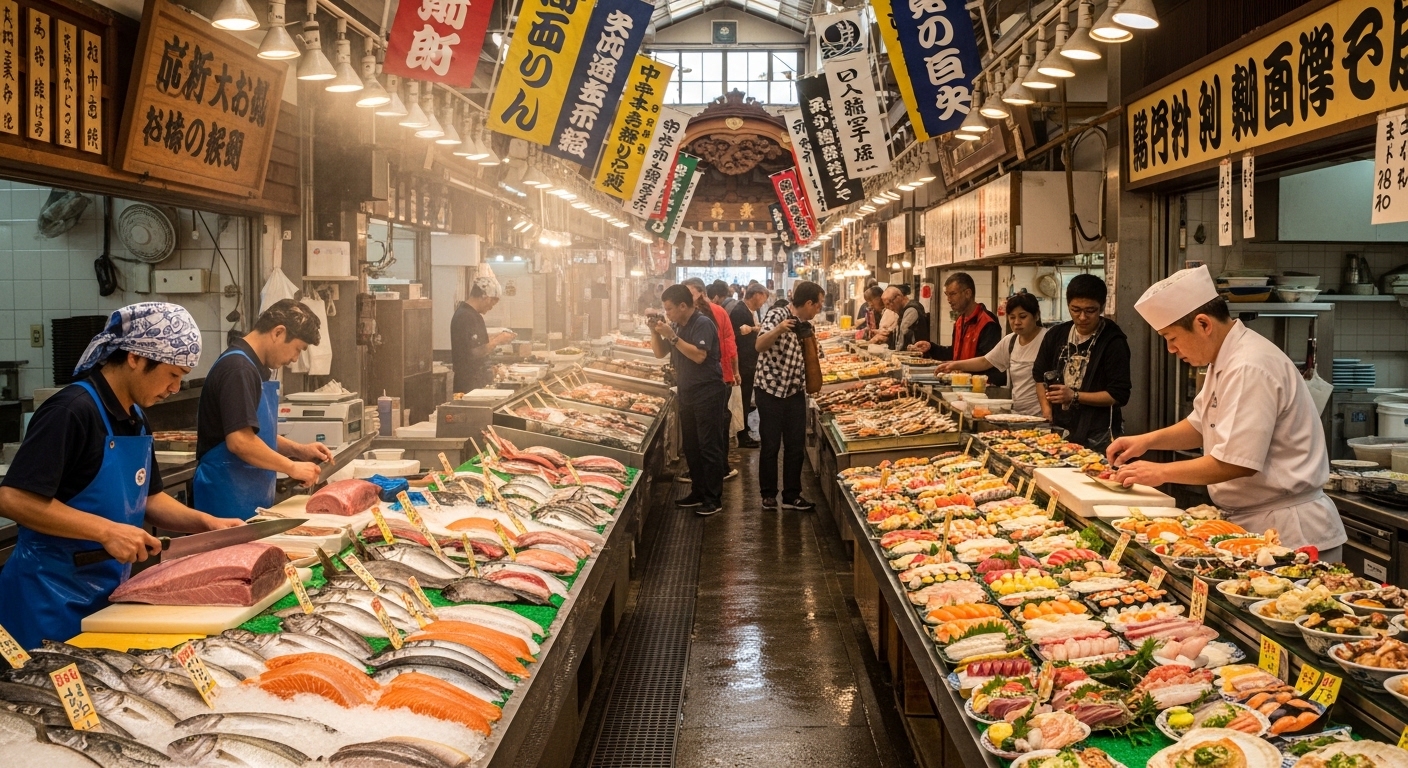
From Tokyo’s famous seafood markets to Hokkaido’s coastal specialties, seafood remains deeply connected to Japanese daily life and culinary identity.
Travelers exploring cities like Osaka, Tokyo, and Kanazawa quickly discover how freshness and seasonality shape Japanese seafood cuisine.
Sushi counters, seafood markets, izakayas, and harbor restaurants all provide different perspectives on local food culture.
The experience extends beyond eating. Travelers can observe fish auctions, speak with local vendors, and learn how regional specialties vary across the country.
The official tourism guide Japan National Tourism Organization offers insights into culinary regions and seafood destinations throughout Japan.
For many travelers, Japan completely changes the way they think about seafood.
Portugal’s Coastal Seafood Traditions Feel Deeply Authentic
Portugal’s coastline shapes much of the country’s food culture. Seafood appears everywhere, from casual beachside cafés to traditional family restaurants.
Grilled sardines, octopus dishes, cod preparations, shellfish stews, and fresh fish markets create unforgettable culinary experiences.
Lisbon and Porto attract food lovers, but smaller coastal towns often provide the most authentic atmosphere.
Fishing communities along the Algarve and central coastline continue preserving traditional cooking methods and local seafood culture.
Travelers following seafood trails through Portugal also enjoy dramatic ocean scenery, colorful fishing boats, and relaxed coastal lifestyles.
Meals here often feel social and unhurried. Long lunches beside the sea become important parts of the journey itself.
Why Seafood Trails Work Perfectly for Slow Travel
Seafood-focused journeys naturally encourage slower travel.
Instead of rushing between attractions, travelers spend time exploring harbors, markets, local restaurants, and coastal communities.
Fresh seafood also depends heavily on seasonality and daily catches. Travelers learn quickly that flexibility often creates better experiences.
Some of the best meals happen unexpectedly in small restaurants recommended by locals rather than guidebooks.
Seafood travel encourages curiosity, patience, and openness to discovery.
That slower rhythm often becomes one of the most enjoyable parts of the journey.
Exploring Seafood Trails Across Southeast Asia
Southeast Asia offers vibrant seafood experiences filled with bold flavors and lively atmosphere.
Thailand’s coastal regions, Vietnam’s fishing villages, and Singapore’s famous seafood restaurants attract travelers from around the world.
Night markets often become highlights of the experience. Fresh seafood grills, spicy soups, noodle dishes, and shellfish platters create exciting sensory experiences.
Planning a trip around regional seafood trails in Southeast Asia also introduces travelers to local cooking techniques, herbs, and spices rarely experienced elsewhere.
Street food culture adds another layer of authenticity.
Travelers often discover incredible meals in simple local settings rather than luxury restaurants.
France’s Oyster and Coastal Culinary Regions
France remains one of Europe’s great seafood destinations, especially for oyster lovers.
Regions such as Brittany and Normandy combine dramatic coastlines with exceptional seafood traditions.
Oyster farms, coastal markets, and seaside restaurants create immersive culinary experiences tied directly to the Atlantic Ocean.
Many French coastal towns feel elegant yet relaxed. Travelers spend afternoons exploring fishing ports before enjoying seafood dinners paired with regional wines.
French seafood culture also emphasizes freshness and simplicity. High-quality ingredients often require minimal preparation.
For food-focused travelers, coastal France offers both culinary sophistication and scenic beauty.
How to Research the Best Seafood Destinations
Successful seafood travel requires preparation.
Travelers should research regional specialties before planning routes. Different destinations are known for different seafood traditions depending on local waters and fishing history.
Reading local food blogs, speaking with residents, and checking seasonal seafood availability can improve the experience significantly.
Food-focused travel companies such as Lonely Planet often provide useful regional recommendations and travel insights.
Travelers should also prioritize locally owned restaurants and markets whenever possible.
Those places usually provide more authentic experiences than heavily tourist-focused venues.
Seafood Markets Reveal Local Culture Beautifully
One of the best ways to understand coastal communities is by visiting seafood markets.
Markets reveal how deeply seafood shapes daily life in different regions. Fishermen unload catches while vendors prepare fresh ingredients for local customers and restaurants.
The atmosphere often feels energetic, colorful, and authentic.
Travelers exploring markets also learn about regional seafood varieties they may never have encountered before.
Some markets become major attractions themselves, while others remain deeply local experiences.
Either way, they provide valuable cultural insight beyond restaurant dining alone.
Combining Seafood Trails With Scenic Coastal Drives
Seafood trails work especially well as road trips because coastal routes often connect multiple culinary destinations together.
Travelers can stop in fishing villages, beaches, harbor towns, and scenic viewpoints while exploring regional cuisine.
Road trips also provide flexibility. If travelers hear about an exceptional seafood restaurant or market from locals, they can adjust plans easily.
Some of the best seafood destinations remain small and less commercialized.
Having time to explore spontaneously often leads to unforgettable discoveries.
Responsible Seafood Tourism Matters More Than Ever
As seafood tourism grows, sustainability becomes increasingly important.
Travelers should support restaurants and businesses that prioritize responsible fishing practices and environmental awareness.
Overfishing and marine ecosystem damage affect many coastal communities worldwide.
Choosing seasonal seafood, supporting local fisheries, and respecting marine environments helps tourism remain sustainable.
Some destinations also offer educational experiences focused on marine conservation and sustainable seafood sourcing.
Responsible travel benefits both travelers and coastal communities long-term.
Why Seafood Experiences Feel More Memorable Near the Ocean
Seafood simply tastes different when enjoyed close to where it was caught.
Freshness changes flavor dramatically, but atmosphere matters too.
Eating grilled fish beside a harbor while watching boats return at sunset creates emotional memories connected to place.
Sea breezes, coastal scenery, and fishing culture combine to create experiences that feel immersive rather than transactional.
Travelers often remember the setting as vividly as the meal itself.
That emotional connection explains why seafood travel continues growing worldwide.
Spain’s Seafood Culture Combines Energy and Tradition
Spain’s coastal cities and fishing regions offer incredible seafood diversity.
Galicia especially attracts seafood lovers because of its shellfish traditions and Atlantic coastline.
Barcelona, Valencia, and San Sebastián also combine vibrant food culture with regional seafood specialties.
Tapas bars, seafood markets, beach restaurants, and local festivals create lively culinary atmospheres throughout the country.
Travelers exploring Spain through seafood often discover how strongly food shapes social life and community identity.
Meals are rarely rushed. Conversation and shared dining remain central parts of the experience.
Building the Perfect Seafood Travel Itinerary
The best seafood itineraries balance structure with flexibility.
Travelers should identify key seafood regions, signature dishes, and local markets before traveling. However, leaving room for spontaneous discoveries matters equally.
Not every memorable meal comes from famous restaurants.
Some travelers plan trips around seafood festivals or seasonal harvest periods for oysters, lobster, crab, or regional specialties.
Combining food experiences with outdoor activities such as sailing, coastal hiking, or harbor tours also creates more balanced journeys.
Food becomes even more meaningful when connected to local landscapes and culture.

Why Culinary Travel Creates Strong Emotional Memories
Food engages memory differently than many other travel experiences.
Taste, smell, atmosphere, and conversation combine together emotionally.
Years later, travelers may remember a seafood meal vividly because it connects instantly to a specific place and moment.
A bowl of seafood stew beside the Atlantic. Fresh oysters during sunset in France. Sushi shared inside a crowded Tokyo market.
These experiences stay memorable because they involve all the senses simultaneously.
That emotional richness makes culinary travel especially rewarding.
WentWorld.com’s View on Seafood Trail Travel
At WentWorld.com, we believe food-focused travel reveals destinations in deeply personal ways.
Planning a trip around regional seafood trails allows travelers to combine culture, scenery, history, and local connection through unforgettable culinary experiences.
Seafood trails encourage slower travel, meaningful interaction with local communities, and appreciation for regional traditions shaped by the sea.
Whether exploring Japan’s seafood markets, Portugal’s coastal villages, or Maine’s lobster towns, these journeys often become about far more than food alone.
They become stories travelers remember for years.
Conclusion: Let Coastal Flavors Guide Your Next Adventure
Seafood trails offer travelers opportunities to experience destinations through flavor, tradition, and local culture.
Planning a trip around regional seafood trails transforms ordinary vacations into immersive journeys filled with coastal scenery, fishing heritage, and unforgettable meals.
The next time you plan a trip, consider following the flavors of the sea. Explore local markets. Visit fishing towns. Try regional specialties you have never tasted before.
You may discover that some of your favorite travel memories happen around simple tables beside the water.
Have you ever planned a trip around food or seafood experiences? Which coastal destination would you most love to explore someday? Share your favorite culinary travel memories in the comments.
Follow WentWorld.com on our social media platforms for more inspiring travel stories, hidden culinary destinations, and meaningful travel ideas from around the world.
Catch up on the top stories and travel deals by subscribing to our newsletter!