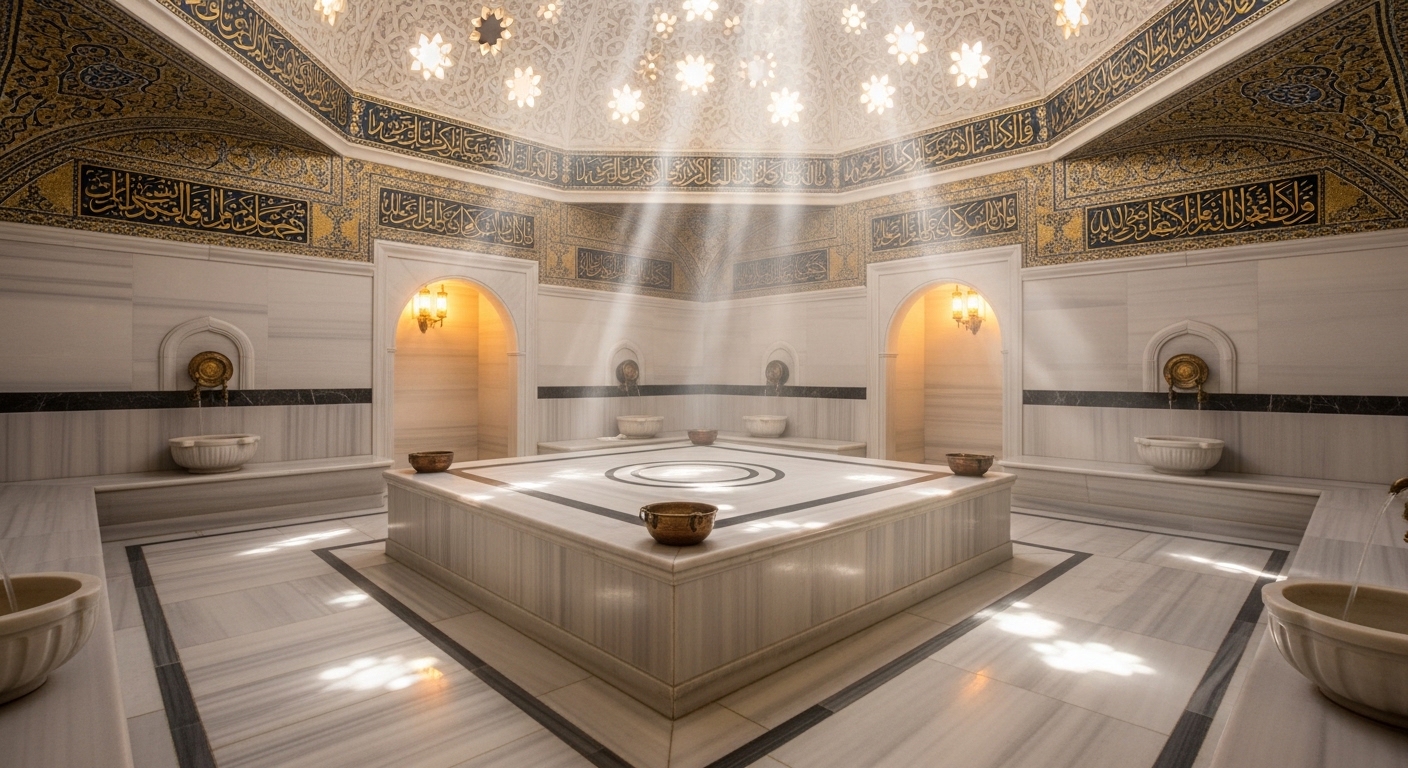
Modern travel often feels rushed. Travelers move quickly between airports, attractions, hotels, and crowded itineraries without truly slowing down. That is one reason wellness-focused travel continues growing worldwide. More travelers now seek experiences that combine culture, relaxation, history, and meaningful local traditions. Among the most rewarding of these experiences is visiting historic bathhouses and hammams.
Across centuries, bathhouses served as more than places for bathing. They became social spaces, architectural masterpieces, wellness centers, and important parts of community life. Today, historic bathhouses and hammams continue attracting travelers searching for authentic cultural experiences and moments of calm during their journeys.
Imagine stepping into a centuries-old Ottoman hammam beneath glowing domes filled with steam. Picture relaxing in thermal waters once visited by Roman emperors or soaking in mineral-rich baths surrounded by historic European architecture.
These experiences feel timeless.
At WentWorld.com, we believe some of the world’s most unforgettable travel moments happen when travelers slow down and immerse themselves in local traditions. In this guide, we explore the best destinations around the world to experience historic bathhouses and hammams while discovering the cultures behind them.
Why Historic Bathhouses Continue Fascinating Travelers
Bathhouses exist in many cultures worldwide, yet they often share similar purposes. They offer relaxation, cleansing, social connection, and wellness.
Historically, bathhouses also reflected architectural beauty and cultural identity. Intricate tilework, marble interiors, domed ceilings, and carefully designed steam rooms transformed these spaces into symbols of luxury and tradition.
Many travelers today seek experiences that feel both relaxing and culturally meaningful. Visiting historic bathhouses and hammams offers exactly that combination.
Unlike modern spas focused purely on luxury, historic bathhouses connect visitors with centuries of ritual and community tradition.
Organizations like UNESCO continue recognizing the importance of preserving cultural heritage sites, including historic wellness and bathing traditions.
Travelers often leave these places feeling mentally refreshed as well as culturally enriched.

Istanbul’s Legendary Ottoman Hammams
Few cities are as closely associated with hammam culture as Istanbul. Ottoman bathhouses have shaped the city’s social and cultural life for centuries.
Stepping into a traditional Istanbul hammam feels like entering another era. Warm marble platforms, steam-filled chambers, and beautifully lit domes create unforgettable atmospheres.
The experience usually includes steam sessions, exfoliation rituals, massages, and relaxation areas where guests enjoy tea afterward.
Historic hammams such as the Çemberlitaş Hammam and Ayasofya Hurrem Sultan Hammam remain popular with both locals and travelers.
Historic bathhouses and hammams in Istanbul also reveal the city’s layered history influenced by Roman, Byzantine, and Ottoman traditions.
The official tourism platform GoTürkiye offers useful information for travelers exploring Turkish cultural experiences.
Many visitors say the combination of architecture, steam, and tradition creates one of the most memorable experiences in the city.
Budapest and the Grandeur of Thermal Bath Culture
Budapest is often called one of Europe’s greatest spa cities. Built above natural thermal springs, the Hungarian capital contains historic bathhouses that combine wellness with remarkable architecture.
The Széchenyi Thermal Bath remains one of the city’s most famous attractions. Travelers soak in warm outdoor pools surrounded by grand Neo-Baroque buildings while steam rises into the cold air.
Other historic baths such as Gellért Baths offer equally impressive interiors featuring mosaics, stained glass, and thermal pools.
Bath culture in Budapest feels woven into daily life rather than designed only for tourism.
Locals visit regularly to relax, socialize, and enjoy the therapeutic mineral waters.
Travelers exploring Budapest through its bathhouses often discover a slower and more elegant side of the city.
Morocco’s Hammams Preserve Community Traditions
Moroccan hammams remain important social and cultural spaces throughout the country.
In cities like Marrakech and Fez, travelers can experience both traditional neighborhood hammams and luxurious restored bathhouses.
Traditional Moroccan hammam rituals often include black soap cleansing, steam rooms, exfoliation treatments, and argan oil massages.
What makes Moroccan hammams especially interesting is their connection to community life. Many local residents still visit weekly as part of regular routines.
Walking through ancient medinas before entering a peaceful hammam creates a beautiful contrast between the energy of the streets and the calm inside the bathhouse.
The experience often feels deeply grounding after long travel days.
Japan’s Historic Onsen Culture Offers Deep Relaxation
Japan’s bathing traditions differ from hammam culture, yet they share similar values of wellness, ritual, and relaxation.
Historic onsen towns such as Kusatsu, Beppu, and Kinosaki preserve centuries-old bathing traditions centered around natural hot springs.
Visitors soak in mineral-rich waters while surrounded by mountain scenery, wooden ryokans, and peaceful gardens.
Bathing etiquette is taken seriously in Japan, and travelers should respect local customs carefully.
The official tourism guide Japan National Tourism Organization provides useful information about traditional onsen experiences.
Many travelers describe Japanese bath culture as calming, reflective, and deeply restorative.
Some of the most memorable moments happen quietly while watching steam rise through cold mountain air.
Roman Bathhouses and Ancient Wellness Traditions
The Roman Empire helped spread bath culture across large parts of Europe and the Mediterranean.
Historic Roman bathhouses still exist in destinations such as Bath in England, where travelers can explore remarkably preserved ancient bathing complexes.
The Roman Baths remain one of Britain’s most fascinating historical attractions. Walking through ancient steam-filled chambers and thermal pools reveals how important communal bathing once was in Roman society.
Roman bathhouses functioned as social centers where people relaxed, exercised, and discussed politics or business.
These spaces remind travelers that wellness traditions have existed for thousands of years.
Many modern spas still draw inspiration from Roman bathing rituals and architectural design.
Why Hammams Feel Different From Modern Spas
Modern spas often focus heavily on luxury and private experiences. Hammams and historic bathhouses feel more connected to tradition and community.
Steam rooms, cleansing rituals, and shared spaces create experiences rooted in centuries of cultural practice.
Many travelers appreciate how authentic these experiences feel compared to highly commercialized wellness tourism.
Historic bathhouses also engage multiple senses simultaneously. Steam, marble textures, water sounds, herbal scents, and warm lighting create immersive atmospheres difficult to replicate elsewhere.
Time also seems to slow down inside these spaces.
Perhaps that is why travelers often describe bathhouse experiences as emotionally restorative rather than simply relaxing.
Hidden Bathhouse Gems Across Europe
While Budapest and Istanbul attract global attention, many lesser-known European bathhouse destinations deserve recognition too.
In Spain, Arabic baths inspired by Moorish traditions continue operating in cities like Granada. Italy offers thermal spa towns with histories stretching back to Roman times.
Germany and Austria also maintain strong thermal bathing cultures, especially in alpine regions where wellness traditions combine with mountain landscapes.
Travelers exploring these destinations often discover elegant architecture, peaceful environments, and fewer crowds than major tourist hubs.
Some bathhouses feel almost frozen in time.
The Architecture Behind Historic Bathhouses
One fascinating aspect of bathhouse travel is the architecture itself.
Ottoman hammams feature domed ceilings with star-shaped openings allowing soft light to filter through steam. Roman baths emphasize grand columns and engineering sophistication. Moroccan hammams highlight geometric tilework and intimate chambers.
These buildings were carefully designed to create calming sensory experiences.
Even temperature transitions between rooms reflected thoughtful architectural planning.
Travelers interested in history, design, and photography often find bathhouses visually extraordinary.
The combination of steam and historic architecture creates uniquely atmospheric spaces.
How Bathhouse Traditions Encourage Slow Travel
Bathhouse culture naturally encourages travelers to slow down.
Instead of rushing through attractions, visitors spend hours relaxing, observing local traditions, and disconnecting from constant digital distractions.
Wellness-focused travel continues growing partly because modern travelers increasingly crave experiences that restore mental balance.
Historic bathhouses provide exactly that opportunity.
Many travelers realize they feel calmer and more present after spending time in these environments.
Simple rituals like steam sessions, tea breaks, and quiet relaxation become surprisingly meaningful.
Important Etiquette Tips for Visiting Hammams and Bathhouses
Respecting local customs is essential when visiting bathhouses around the world.
Different cultures maintain different expectations regarding clothing, silence, photography, and bathing procedures.
Travelers should research etiquette beforehand to avoid disrespectful behavior.
In Japanese onsens, proper washing before entering communal baths is extremely important. In traditional hammams, modesty customs may vary depending on the location.
Photography is often restricted inside bathhouses to protect privacy.
Approaching these experiences respectfully helps preserve their authenticity and cultural significance.
The Emotional Side of Bathhouse Experiences
Many travelers expect bathhouses to feel physically relaxing, yet they are often surprised by the emotional impact too.
Warm water, quiet environments, and ancient surroundings create strong feelings of calm and reflection.
Travelers sometimes realize how mentally exhausted they felt only after finally slowing down inside these spaces.
Historic bathhouses also create rare opportunities for stillness during busy trips.
Without loud distractions or rushed schedules, visitors reconnect with the present moment.
That emotional reset can become one of the most valuable parts of travel itself.
Why Wellness Travel Continues Growing Worldwide
Modern tourism trends increasingly focus on wellness, mindfulness, and meaningful experiences.
Travelers no longer seek only sightseeing. Many now prioritize emotional well-being, cultural immersion, and personal restoration.
Historic bathhouses and hammams fit perfectly into this shift because they combine history, architecture, wellness, and local culture together.
These experiences also encourage intentional travel rather than rushed tourism.
As travelers search for deeper experiences, traditional wellness practices continue gaining global appreciation.

Combining Bathhouse Travel With Cultural Exploration
One reason bathhouse-focused travel works so well is because these experiences connect naturally with broader cultural exploration.
Travelers can spend mornings exploring historic districts, markets, museums, and architecture before ending the day inside relaxing bathhouses.
In Istanbul, visitors may explore mosques and bazaars before entering Ottoman hammams. In Budapest, thermal baths pair perfectly with riverside walks and historic cafés.
These experiences balance exploration with restoration beautifully.
Travel feels more sustainable when travelers include moments of rest and recovery.
WentWorld.com’s Perspective on Historic Bathhouse Travel
At WentWorld.com, we believe some of the best travel experiences come from traditions that help travelers slow down and connect more deeply with local culture.
Historic bathhouses and hammams offer far more than relaxation. They reveal centuries of community tradition, architectural beauty, and wellness practices still valued today.
Whether soaking in Budapest’s thermal waters, experiencing Moroccan cleansing rituals, or relaxing in Japanese onsens surrounded by mountains, these journeys create lasting memories.
Travel should not only entertain people. It should restore them too.
Conclusion: Why Bathhouse Experiences Stay With Travelers Forever
Historic bathhouses and hammams continue attracting travelers because they offer something increasingly rare in modern tourism: stillness.
These spaces invite people to pause, relax, and experience culture through centuries-old rituals that remain meaningful today.
Historic bathhouses and hammams also remind travelers that wellness traditions have always played important roles in human communities around the world.
The next time you travel, consider adding a bathhouse or hammam experience to your journey. Step into the steam, slow your breathing, and let history surround you.
You may discover that some of your most unforgettable travel memories happen not while rushing through attractions, but while quietly relaxing inside timeless spaces built for restoration.
Have you ever visited a historic bathhouse or traditional hammam during your travels? Which destination would you most love to experience someday? Share your thoughts and recommendations in the comments.
Follow WentWorld.com on our social media platforms for more inspiring travel stories, wellness destinations, hidden cultural experiences, and meaningful travel ideas from around the world.
Catch up on the top stories and travel deals by subscribing to our newsletter!