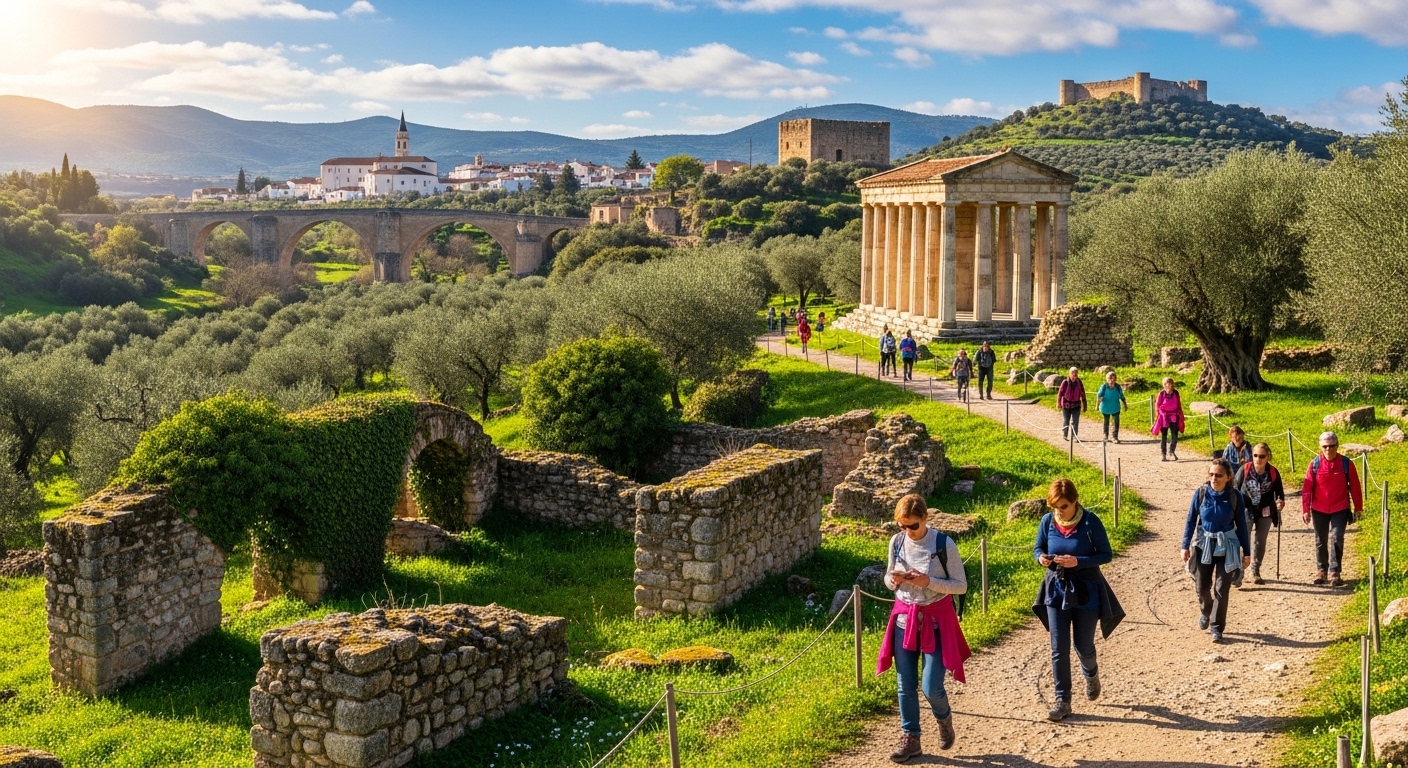
Travel today goes far beyond sightseeing. Many travelers now seek deeper meaning, authentic stories, and connections with history. One of the most rewarding ways to achieve this is by exploring cultural heritage trails. These routes connect historic landmarks, traditions, and communities, allowing travelers to experience destinations in a structured yet immersive way.
If you have ever wanted your journey to feel more meaningful, planning a trip around cultural heritage trails could transform your travel experience completely. These trails are carefully designed to highlight the cultural identity of a region. They allow travelers to explore history step by step, rather than rushing through random attractions.
Imagine walking through ancient pathways, visiting historical villages, and learning traditions directly from local communities. Cultural heritage trails offer a narrative that unfolds as you travel, making every stop part of a larger story.
What Are Cultural Heritage Trails and Why They Matter
Cultural heritage trails are curated routes that connect historical, cultural, and sometimes natural landmarks within a region. These trails often include monuments, museums, villages, archaeological sites, and cultural experiences.
Organizations such as UNESCO World Heritage play a significant role in identifying and preserving many of these sites. Trails help travelers understand the cultural importance of each location while encouraging responsible tourism.
These journeys are not only educational but also emotionally enriching. Travelers gain insight into how civilizations evolved, how traditions survived, and how communities continue to preserve their heritage.

Why You Should Plan a Trip Around Cultural Heritage Trails
Planning your travel around cultural heritage trails brings structure and depth to your journey. Instead of visiting places randomly, you follow a meaningful route that connects stories across time.
These trails also reduce travel stress. You already have a roadmap that highlights key locations, making it easier to organize your itinerary.
Another benefit involves cultural immersion. Travelers interact with local communities, participate in traditions, and gain firsthand knowledge that guidebooks cannot provide.
Have you ever visited a place but felt like you missed its real story? Cultural heritage trails ensure that does not happen.
Choosing the Right Cultural Heritage Trail
The first step in planning your trip involves selecting the right trail. Your choice should depend on your interests, travel style, and available time.
History lovers often enjoy routes such as the Silk Road, which connects multiple countries and tells the story of ancient trade and cultural exchange.
Spiritual travelers may prefer pilgrimage routes like the Camino de Santiago in Spain. This trail combines history, faith, and scenic landscapes.
In Asia, regions like Japan offer heritage routes that explore temples, traditional villages, and ancient customs.
Each trail offers a unique narrative. Choose one that aligns with your curiosity and travel goals.
Researching Your Cultural Heritage Trails
Proper research forms the foundation of a successful trip. Start by understanding the history and significance of the trail you choose.
Read about the key sites, cultural practices, and local communities along the route. Reliable resources such as National Geographic Travel provide valuable insights.
Research also helps you identify the best time to visit. Weather conditions, festivals, and seasonal activities can significantly impact your experience.
For example, some trails become more vibrant during cultural festivals, offering travelers a chance to witness traditional celebrations.
Creating a Flexible Itinerary
While cultural heritage trails provide structure, flexibility remains important. Avoid overloading your schedule with too many stops in a single day.
Allow time to explore each location deeply. Spend time interacting with locals, observing daily life, and understanding cultural nuances.
A well-balanced itinerary includes travel time, exploration time, and rest. Remember that meaningful travel often requires slowing down.
Would you rather rush through ten locations or fully experience three? The answer often defines the quality of your journey.
Budgeting for Cultural Heritage Travel
Budget planning ensures a smooth travel experience. Cultural heritage trails can vary in cost depending on location, accommodation, and transportation.
Flights often represent a major expense. Airlines such as Emirates provide global connectivity to many heritage destinations.
Accommodation choices range from budget stays to boutique heritage hotels. In many regions, homestays offer affordable and culturally immersive options.
Local transportation, entrance fees, and guided tours should also be included in your budget.
Experiencing Local Culture Along the Trail
The true essence of cultural heritage trails lies in cultural engagement. Travelers should go beyond sightseeing and actively participate in local traditions.
Attend cultural performances, visit local markets, and try traditional cuisine. Food often reflects the history and identity of a region.
In many destinations, artisans continue to practice traditional crafts. Observing or participating in these crafts provides valuable insight into cultural preservation.
Respect remains essential during these interactions. Always follow local customs and show appreciation for cultural practices.
Capturing Your Journey Responsibly
Photography allows travelers to preserve memories, but it should be done respectfully. Always ask permission before photographing people or private spaces.
Focus on storytelling rather than just visuals. Capture moments that reflect culture, tradition, and human connection.
Many travelers now share their experiences through blogs and social media. This helps promote cultural heritage trails while inspiring others to travel responsibly.

Supporting Sustainable Tourism
Cultural heritage trails often rely on tourism for preservation. Travelers play a crucial role in supporting local communities.
Choose local guides, eat at local restaurants, and purchase handmade products. These actions directly benefit the community.
Organizations like UN Tourism emphasize the importance of sustainable travel practices.
Responsible tourism ensures that cultural heritage remains preserved for future generations.
Common Mistakes to Avoid
Many travelers make the mistake of treating heritage trails like regular sightseeing trips. This approach limits the depth of the experience.
Avoid rushing through locations without understanding their significance. Take time to learn and reflect.
Another mistake involves ignoring local customs. Cultural sensitivity enhances your experience and builds mutual respect.
Finally, avoid overplanning. Leave room for spontaneity and unexpected discoveries.
Reflecting on Your Cultural Journey
At the end of your trip, take time to reflect on your experiences. Cultural heritage trails often leave a lasting impact on travelers.
You may return home with new perspectives, deeper understanding, and meaningful memories. These journeys often inspire travelers to explore more heritage destinations.
Have you ever followed a cultural route during your travels? Which destination left the strongest impression on you?
We would love to hear your experiences and recommendations. Share your thoughts and help other travelers discover meaningful journeys.
If you enjoy travel stories and guides like this, follow WentWorld on social media for more insights, tips, and inspiration from around the world.
Planning your next trip around cultural heritage trails could be the key to transforming your travel into a truly enriching experience.
Catch up on the top stories and travel deals by subscribing to our newsletter!